Car paint fades primarily due to prolonged exposure to ultraviolet (UV) radiation, oxidation, and the accumulation of corrosive contaminants like road salt and bird droppings. These elements cause chemical breakdown of the paint’s molecular structure, but professional paint protection services create a durable, sacrificial barrier that absorbs these damages instead of your vehicle’s clear coat.
The Science of Surface Degradation: Why Your Paint Loses Its Lustre
To understand how to save a vehicle’s finish, one must first understand the enemies of automotive aesthetics. Modern vehicle paint is a sophisticated multi-stage system, yet it remains vulnerable to its surroundings.
1. UV Radiation and the Oxidation Process
The sun is the most consistent threat to any vehicle parked outdoors. Ultraviolet rays act as a catalyst for a chemical reaction known as oxidation. During this process, the heat and radiation break down the resins in the clear coat. Over time, this results in a chalky, cloudy appearance where the vibrant color once lived. This is a common sight on older vehicles seen driving through the West End or parked near the Fan District, where the intense summer sun accelerates the aging process in Richmond, VA.
2. Chemical Contamination
The air and roads are filled with naturally acidic substances. When bird droppings, tree sap, or bug splatter sit on a warm hood, they “etch” into the surface. If not neutralized quickly, these acids eat through the glossy finish and create permanent scarring. For many enthusiasts seeking paint protection film in Richmond, VA, preventing this permanent etching is the top priority for maintaining long-term value.
3. Mechanical Wear and Abrasion
Every time a vehicle is wiped with a dry cloth or run through a brush-based automated wash, microscopic scratches are introduced. These “swirl marks” catch the light at different angles, diffusing the reflection and making the paint appear dull and hazy rather than deep and mirror-like.
Comparing Solutions for Long-Term Preservation
When preserving a vehicle, it is important to understand which service best fits your specific lifestyle and driving habits.
| Feature | Surface Sealants | Advanced Coating Systems | Paint Protection Film |
| Duration | Short-term | Multi-year | Long-term |
| UV Defense | Moderate | Superior | Maximum |
| Physical Protection | Minimal | Minor scratch resistance | Impact and chip resistance |
| Maintenance Level | High frequency | Low frequency | Low frequency |
| Visual Finish | High Gloss | Mirror-like Depth | Satin or High Gloss |
Advanced Vehicle Protection for Long-Lasting Results
Our vehicle preservation process is a multi-stage, precision approach designed to create a durable bond between the protective layer and your vehicle’s surface.
The process begins with deep-pore decontamination. Specialized solutions remove metallic fallout, industrial pollutants, and other embedded contaminants from the paint. Once the surface is thoroughly clean, we move to the stabilization phase.
During stabilization, the clear coat is leveled at a microscopic scale, ensuring the protective layer integrates fully with the paint rather than just sitting on top. Finally, the protective medium is applied using a cross-link bonding technique. This creates a hydrophobic surface that repels water, oils, and grime, keeping the vehicle cleaner for longer and delivering a finish that stands apart from standard applications.
Debunking the “Bulletproof” Myth: A Common Industry Misconception
There is a persistent myth in the automotive world that once a high-end coating is applied, the vehicle becomes “bulletproof” or entirely maintenance-free. Some believe that these services allow you to never wash the car again or that the car is now immune to heavy physical damage.
The reality is that while these services provide incredible defense, they are “sacrificial” layers. Their job is to take the damage so your paint doesn’t have to. You still need to perform regular, safe washes to remove the dirt that sits on top of the protection. Furthermore, while coatings are excellent at preventing UV fade and chemical etching, only specialized paint protection film in Richmond applications provides the physical thickness required to prevent a stone from chipping the paint at highway speeds. Thinking of these services as “armor” rather than “magic” ensures that owners maintain their vehicles properly to get the most out of their investment.
How Professional Services Systematically Halt the Fading Process
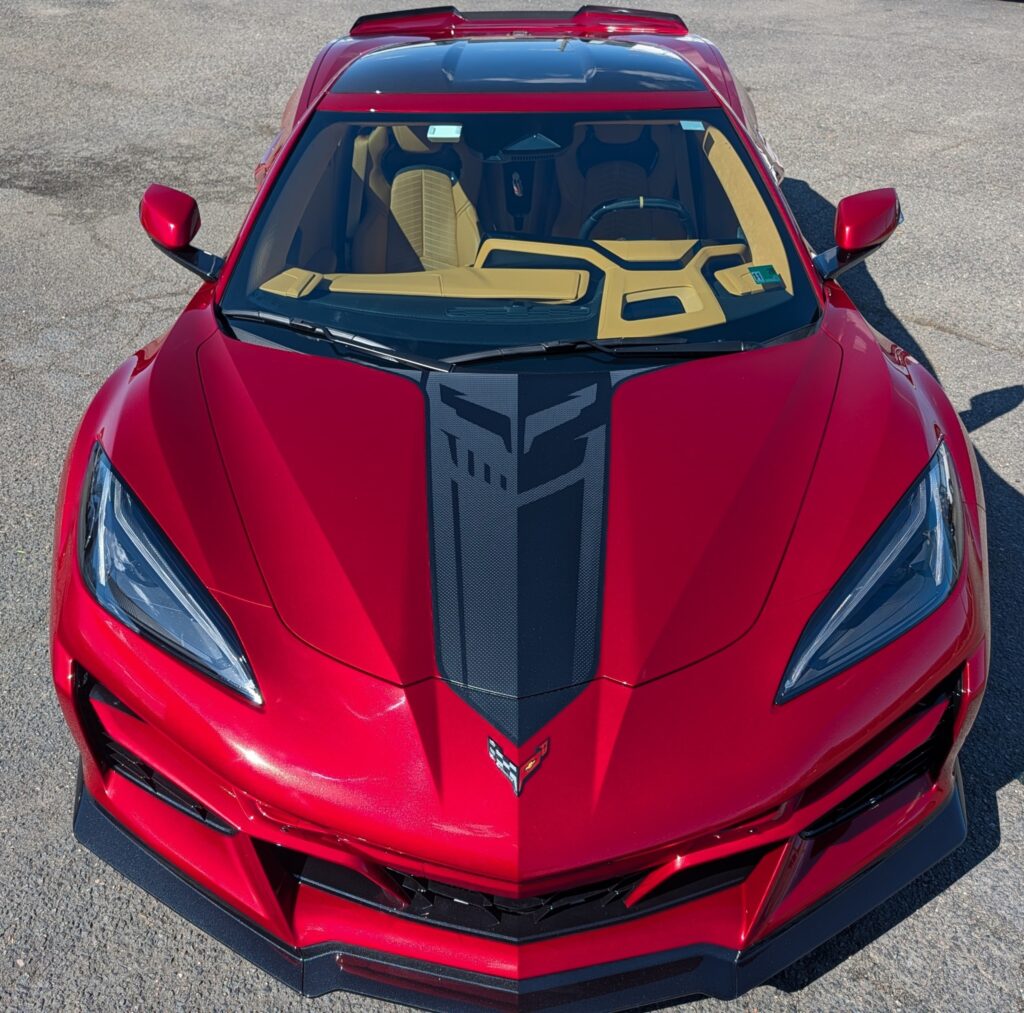
Professional protection goes far beyond what can be achieved in a home driveway. Here is the process used to stop the fade:
- Decontamination: Removal of iron particles and industrial soot that cause “rust spots” in the paint.
- Abrasive Correction: Using precision machinery to buff away the thin layer of oxidized paint, revealing the fresh, vibrant color underneath.
- Solvent Cleansing: Removing all oils and polishing lubricants so the protection can bond directly to the paint molecules.
- Application of UV Blockers: Modern coatings and films act like a high-SPF sunscreen for your car, reflecting the radiation that causes fading.
- Curing: Using specific heat or light triggers to harden the layer into a permanent shield.
Many car owners looking for Richmond paint protection film understand that the difference between a “used” looking car and a “showroom” looking car is the presence of these invisible UV blockers.
The Long-Term Benefits of Specialized Preservation
Investing in high-quality protection isn’t just about vanity; it is about asset management. A vehicle with faded, peeling paint loses significant resale value. By applying a protective layer, you are essentially wrapping the factory finish in a state of perpetual youth.
When it’s time to sell or trade in the vehicle, the paint beneath the film or coating will look exactly as it did the day the protection was applied. This creates a “time capsule” effect that is highly sought after by buyers. Whether you are navigating the city’s narrow streets or commuting on the highways surrounding Richmond, VA, the peace of mind that comes from knowing your paint is shielded from the elements is invaluable.
In Summary
The fading of car paint is a natural result of exposure to sunlight, pollutants, and harsh environmental conditions, but it can be effectively prevented. At Owen’s Auto Detailing LLC, we combine UV-resistant coatings with a protective film layer to help your vehicle maintain the vibrant appearance it had when it left the showroom.
Our advanced preservation techniques provide a level of precision that standard washes cannot match, neutralizing threats like oxidation, chemical damage, and environmental contaminants before they can affect your paint.
For those looking to give their vehicle the ultimate protection, Contact Us today to schedule your service and ensure it gets the protection it deserves.
People Also Ask
Does paint protection film stop paint from fading?
Yes, high-quality films contain UV inhibitors that block the rays responsible for oxidation and color loss, ensuring the paint underneath remains consistent with the rest of the vehicle.
Can faded paint be restored?
In many cases, yes. If the fading is limited to the surface, a professional can perform a “paint correction” to remove the oxidized layer and then apply protection to prevent it from returning.
How long does professional paint protection last?
Depending on the specific service chosen, protection can last for several years, provided it is maintained with proper washing techniques.
Is it worth getting protection on a new car?
Absolutely. Applying protection when the paint is in pristine condition is the most effective way to lock in the factory finish and avoid the costs of restorative polishing later in the vehicle’s life.