Paint protection film is worth it when your priority is preventing permanent paint damage rather than just improving appearance. It creates a physical barrier that absorbs impact from road debris and reduces long-term wear on your clear coat. For drivers evaluating paint protection film in Richmond, VA, the key question is whether the cost of prevention is lower than the cost of repeated paint correction and repair over time.
What Paint Protection Film Actually Is
Paint protection film is a multi-layer thermoplastic urethane material applied directly to painted surfaces. Unlike waxes or coatings that sit on top of the paint for chemical protection, it is engineered to physically intercept damage before it reaches the clear coat.
At a material level, it typically includes:
- A clear protective topcoat
- An elastomeric urethane base layer
- An adhesive layer designed for long-term bonding
- A release liner was removed during installation
The goal is not enhancement; it is the controlled sacrifice of the film layer rather than the factory finish.
How the Protection System Works in Real Conditions
In practice, PPF performs through energy dispersion and surface recovery. When a rock or debris particle strikes the surface, the film absorbs and spreads the force across a wider area rather than allowing a single-point chip.
Drivers researching paint protection film in Richmond are usually concerned with highway driving damage, where repeated micro-impacts slowly degrade unprotected paint. PPF significantly reduces that cumulative erosion effect.
The self-healing top layer also responds to heat. Minor swirl marks relax and disappear when exposed to sunlight or warm water, which reduces the need for frequent polishing.
Core Functional Specifications
Paint protection film is best understood through its measurable properties rather than marketing claims.
Definition List: Technical Characteristics
Elastic memory response
The ability of the film to return to a smooth state after light surface deformation.
Impact attenuation threshold
The level of force required before paint damage occurs beneath the film layer.
Hydrophobic surface energy rating
Measurement of how easily water and contaminants slide off the surface.
UV degradation resistance
Capacity to resist yellowing or breakdown under long-term sun exposure.
Optical refractive stability
Ensures minimal distortion so the paint finish remains visually unchanged.
How It Compares to Other Protection Methods
Most vehicle owners compare PPF with ceramic coating or wax, but these solutions operate in entirely different protective categories.
| Protection Type | Primary Role | Damage Protection | Lifespan | Maintenance Impact |
| Paint Protection Film | Physical barrier | High (chips/scratches) | 7–10 years | Low |
| Ceramic coating | Chemical resistance | Low | 2–5 years | Very low |
| Wax | Surface shine | None | Weeks | High |
PPF is the only option that prevents actual material loss from the paint surface.
Real Value Beyond Appearance
The real value of PPF is not visible on day one; it accumulates over years of ownership. Instead of repeatedly repainting panels or correcting swirl damage, the film takes the degradation on itself.
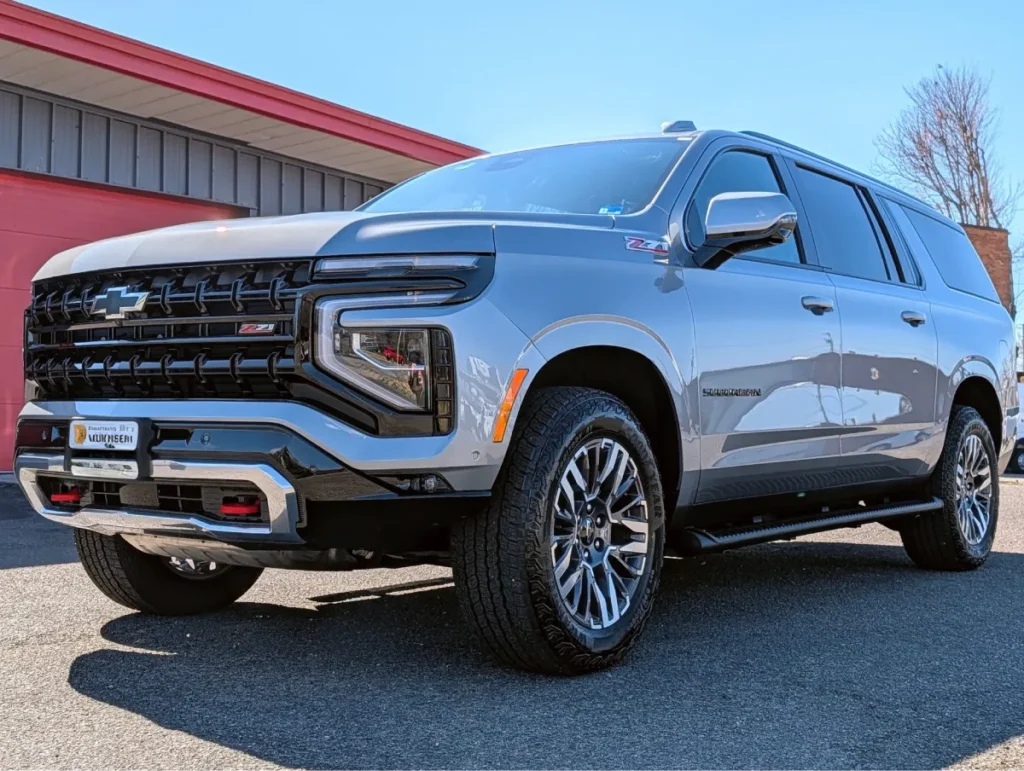
In long-term ownership scenarios, Richmond, VA, paint protection film is most valuable in high-impact zones like bumpers, hoods, and mirror caps, where exposure to debris is highest.
Key benefits include:
- Reduced frequency of paint correction cycles
- Lower likelihood of permanent chip repair
- Improved resale inspection outcomes
- Preservation of factory paint integrity
- More consistent gloss retention over time
Cost Logic and Long-Term Ownership Math
PPF is often misunderstood as a luxury upgrade, but its financial justification lies in avoiding corrective work.
Over a 5–10 year ownership period, unprotected vehicles typically accumulate:
- Stone chip repairs on front-end panels
- Scratch correction from parking exposure
- Repainting or blending costs on worn areas
With film installed, these costs are largely deferred or eliminated.
The decision is less about upfront cost and more about whether you prefer predictable protection or unpredictable repair cycles.
Installation Quality Determines Outcome
Even high-grade film can fail if installation is poor. The performance ceiling is defined by surface preparation and application precision.
Installation Workflow
- Full decontamination wash (removes embedded particles)
- Paint correction to eliminate pre-existing defects
- Panel-by-panel templating or digital cut alignment
- Wet application for controlled positioning
- Edge wrapping for visibility reduction
- Heat curing for adhesive stabilization
- Final inspection under directional lighting
Contamination under film or poor edge sealing are the most common failure points.
Misconceptions About Paint Protection Film
Myth: “PPF is only for high-end or exotic cars.”
This is incorrect because damage exposure is driven by driving behavior, not vehicle price.
A daily-driven commuter vehicle will often experience more paint degradation than a garage-kept premium vehicle. Highway mileage, parking density, and road conditions are the actual determining factors.
Another overlooked reality is that repainting modern vehicles is not always seamless; factory finishes are difficult to replicate perfectly, which makes preserving the original paint even more valuable.
Structured Paint Protection Evaluation Framework
A structured evaluation system can be used to determine whether paint protection is justified based on measurable usage variables rather than assumptions.
Decision Framework
Exposure Index (EI)
Measures how frequently a vehicle encounters debris-heavy driving conditions.
Retention Horizon (RH)
Defines expected ownership duration in years.
Aesthetic Sensitivity (AS)
Represents how important a flawless appearance is to the owner.
Replacement Cost Factor (RCF)
Compares repaint costs against preventive protection investment.
This framework consistently shows that front-end protection typically delivers the highest ROI, while full-body coverage is generally justified only under high exposure and long ownership cycles.
Real-World Wear Patterns from Driving Environments
Paint damage is highly dependent on localized driving conditions and traffic density.
Vehicles regularly traveling through Carytown tend to exhibit concentrated bumper-impact wear due to frequent stop-and-go traffic. In the Fan District, tighter parking conditions increase swirl marks and minor contact abrasions from limited maneuvering space. Meanwhile, drivers passing through Church Hill often experience higher hood and mirror chip density due to sustained exposure to roadway debris at speed.
These differences illustrate that environmental exposure matters more than vehicle category or age.
Secondary Misconceptions in Ownership Behavior
A common assumption is that paint damage is linear over time. In reality, it is often event-driven. A single highway trip behind gravel-heavy traffic can create more visible damage than months of city driving.
This is why protection strategies must prioritize exposure probability rather than calendar age.
Installation Strategy and Coverage Planning
Not all panels require equal protection. A cost-efficient installation strategy typically focuses on impact zones rather than on full coverage.
Typical high-value areas include:
- Front bumper (highest debris contact zone)
- Hood leading edge
- Side mirrors
- Front fenders
This targeted approach balances protection and cost efficiency without unnecessary material usage.
In Summary
Paint protection film should be viewed as a long-term preservation system rather than a cosmetic enhancement. Its value increases with mileage, exposure, and ownership duration.
When evaluating paint protection film, the most rational approach is to match the coverage level to real driving conditions rather than applying a uniform package.
If you want a precise assessment tailored to your vehicle usage and parking environment, Owen’s Auto Detailing LLC can evaluate your needs and recommend a coverage plan that avoids unnecessary cost while maximizing protection.
For drivers comparing options involving paint protection film, the most important factor is not whether to install it, but how much coverage is actually needed.
A properly planned installation strategy ensures you are not overpaying for protection while still preventing the most expensive category of damage: permanent paint loss.
Contact us today to schedule an evaluation and protect your vehicle with a data-driven approach to exterior preservation.
Frequently Asked Questions
Does paint protection film change the look of my car?
No. When installed correctly, it remains optically clear and preserves the original finish.
How long does it last?
Most professional installations last between 7 and 10 years, depending on exposure and maintenance habits.
Can it be removed later?
Yes. It is designed for safe removal without damaging factory paint when properly handled.
Is it better than ceramic coating?
They serve different roles. PPF prevents physical damage while coatings reduce chemical staining and improve cleaning.
Does every panel need protection?
No. Most vehicles benefit most from selective coverage focused on high-impact areas.