Paint protection film (PPF) has become one of the most effective solutions for preserving a vehicle’s exterior in modern automotive care. Unlike waxes or ceramic coatings that primarily enhance surface gloss or hydrophobicity, PPF provides a physical barrier against rock chips, scratches, and environmental damage.
For vehicle owners who plan to keep their cars long-term, PPF is not merely an aesthetic upgrade; it is a protective system designed to preserve factory paint integrity and reduce long-term maintenance costs.
At Owen’s Auto Detailing LLC, we specialize in professional installation and detailing solutions designed for real-world driving conditions in Virginia, where highway exposure, humidity, and seasonal debris can accelerate paint damage.
Why Paint Protection Film Matters More Than Ever
Modern automotive paint systems are thinner and more environmentally regulated than older formulations. While this improves sustainability, it also makes factory clear coats more vulnerable to:
- Rock chips from highway driving
- Swirl marks from improper washing
- UV oxidation and fading
- Chemical staining from bird droppings, bugs, and sap
- Light scratches from daily use
Without protection, these issues gradually degrade both appearance and resale value.
PPF solves this problem by acting as a sacrificial layer. Instead of the paint absorbing damage, the film takes the impact, preserving the original surface underneath.
From an industry standpoint, PPF is considered the highest level of non-permanent exterior protection available today.
Types of Paint Protection Film Explained
Not all PPF systems are designed the same way. Understanding differences is essential before making a decision.
1. Standard Clear PPF
This is the most basic option, offering protection against light scratches, debris, and minor abrasions. It is commonly used on daily-driven vehicles with moderate exposure.
2. Self-Healing PPF
A more advanced option, this film uses elastomeric polymers that allow minor scratches and swirl marks to disappear when exposed to heat. This can occur naturally in sunlight or through the application of warm water.
3. Gloss Finish PPF
Designed to enhance visual depth and clarity, gloss films improve paint reflectivity while maintaining original color accuracy.
4. Matte Finish PPF
This version transforms glossy paint into a satin or matte appearance while still offering full protective benefits.
Coverage Levels
- Partial Front Coverage: High-impact areas like bumper and hood front edge
- Full Front Coverage: Hood, fenders, bumper, mirrors
- Full Vehicle Wrap: Complete exterior protection
The correct option depends on driving environment, budget, and long-term ownership goals.
Key Factors That Determine PPF Quality
1. Material Composition and Engineering
High-performance PPF is typically made from thermoplastic polyurethane (TPU), a flexible yet durable material that absorbs impact energy.
Key features of premium films include:
- UV-resistant top coats to prevent yellowing
- Hydrophobic properties for easier cleaning
- Elastic memory for self-healing performance
- High optical clarity for invisible protection
Material quality directly affects durability, appearance, and long-term performance.
2. Installation Quality (The Most Important Factor)
Even the highest-grade film will fail if installed incorrectly. Installation quality is often more important than brand selection.
A professional installation should include:
- Full paint decontamination and surface preparation
- Precise alignment of panels and edges
- Controlled environment (dust-free workspace)
- Bubble-free application using professional tools
- Heat finishing for edge bonding and contour shaping
Poor installation can result in lifting edges, visible lines, trapped debris, and premature failure.
When comparing providers offering paint protection film in Richmond, VA, installation expertise should always outweigh pricing decisions.
Real-World Durability and Performance
A properly installed PPF system typically lasts 5 to 10 years, depending on:
- Exposure to sunlight and UV intensity
- Driving frequency and road conditions
- Maintenance habits
- Film quality and brand tier
Protection Against Everyday Damage
PPF is specifically designed to protect against:
- Highway rock chips and gravel impact
- Scratches from automatic or improper washing
- Chemical contamination (tar, sap, bugs)
- Light abrasions from daily use
The film essentially acts as a replaceable outer layer that preserves factory paint.
For drivers evaluating Richmond, VA, paint protection film, long-term durability is often the deciding factor, especially for commuters and highway drivers.
Optical Clarity and Aesthetic Enhancement
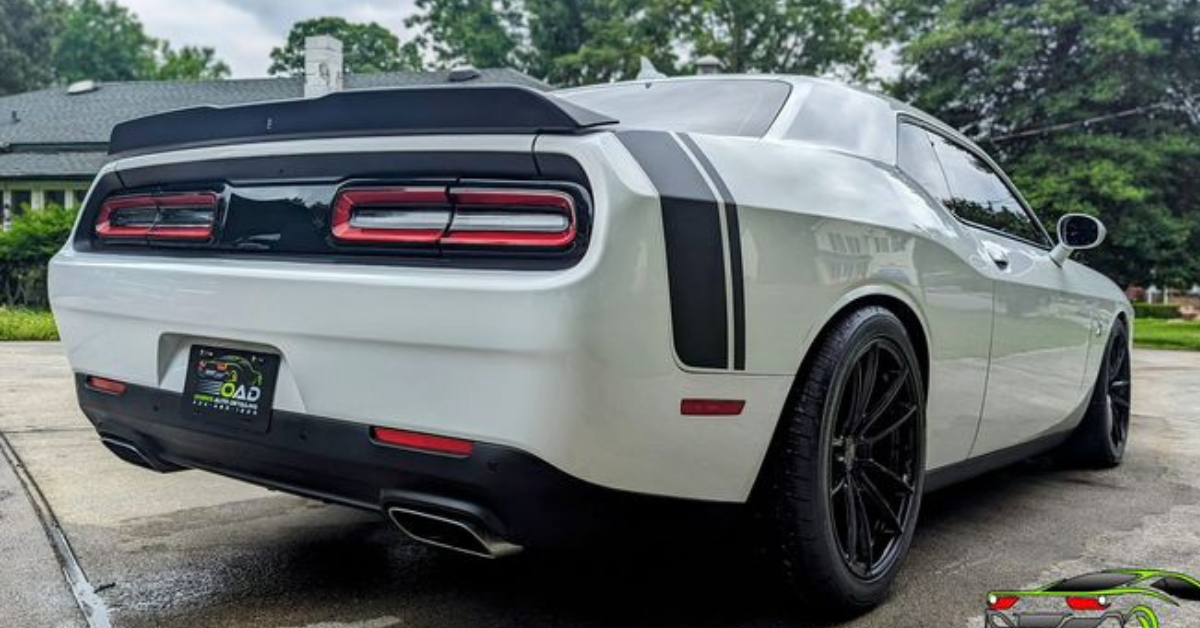
Beyond protection, modern PPF is engineered to maintain or enhance vehicle appearance.
Optical Clarity
High-end films are designed to be nearly invisible once installed. This ensures:
- No distortion in paint color
- Seamless blending with body panels
- Factory-finish appearance retention
Gloss Enhancement
Gloss PPF enhances reflectivity and depth, often making the vehicle appear freshly detailed at all times.
Long-Term Appearance Stability
Premium films resist:
- Yellowing
- Clouding
- Surface hazing
This ensures consistent visual quality throughout the film’s lifespan.
Professional Installation Process (Step-by-Step)
Understanding the installation process helps illustrate why expertise matters.
Step 1: Deep Cleaning and Decontamination
The vehicle is washed, clayed, and chemically cleaned to remove embedded contaminants.
Step 2: Surface Inspection and Correction
Paint defects such as swirl marks may be corrected before application to ensure a flawless base.
Step 3: Film Positioning
Film is aligned using a slip solution or precision pre-cut templates.
Step 4: Air and Moisture Removal
Installers use squeegees to eliminate trapped air and ensure full adhesion.
Step 5: Edge Sealing and Heat Curing
Heat is applied to activate adhesive properties and conform the film to curves and edges.
A proper installation should be visually seamless and undetectable under normal viewing conditions.
Maintenance Guidelines for Long-Term Performance
PPF is low-maintenance but not maintenance-free.
Recommended Care Practices
- Wash using pH-neutral automotive shampoo
- Use microfiber mitts and towels only
- Avoid abrasive brushes or rough sponges
- Dry with clean microfiber materials
- Inspect periodically for lifting or edge contamination
What to Avoid
- Harsh solvents or degreasers
- Automatic car washes with stiff bristles
- High-pressure washing directly on the edges
Proper maintenance significantly extends film lifespan and appearance quality.
Common Mistakes Vehicle Owners Make
Many issues with PPF performance come from avoidable mistakes:
- Choosing based solely on price rather than installer expertise
- Skipping proper surface preparation
- Using incorrect cleaning materials
- Expecting total scratch immunity (PPF is protective, not indestructible)
- Ignoring early signs of edge lifting
Understanding limitations is just as important as understanding benefits.
Why Local Driving Conditions Matter (Virginia Context)
Environmental conditions significantly influence how PPF performs over time.
In Virginia, vehicles are exposed to:
- High humidity levels in summer
- Seasonal road salt and debris
- Heavy highway commuting traffic
- Tree sap, pollen, and organic contaminants
These conditions accelerate paint wear, especially on front-end panels.
This is why many drivers researching paint protection film in Richmond are specifically focused on reducing highway damage and preserving daily-driver condition.
When PPF Becomes a Smart Investment
PPF provides the highest value when:
- The vehicle is new or recently repainted
- The owner plans long-term retention
- The car is frequently driven on highways
- Outdoor parking is common
- Resale value preservation is a priority
It is less about luxury and more about cost prevention over time.
Final Thoughts
Paint protection film remains one of the most effective long-term solutions for preserving automotive paint in real-world driving conditions. The key to success is selecting high-quality material and ensuring expert installation.
For drivers comparing paint protection film, the most important factors are installer expertise, film durability, and long-term clarity, not just initial cost.
When properly installed and maintained, PPF provides years of protection while preserving the vehicle’s original factory finish.
At Owen’s Auto Detailing LLC, our focus is on delivering professional-grade protection systems designed for durability, clarity, and long-term value.
Ready to Protect Your Vehicle?
If you’re considering long-term paint protection, professional installation ensures optimal performance and appearance.
Contact us today for expert consultation or a personalized quote.
Frequently Asked Questions
How long does PPF last?
Most premium films last 5–10 years, depending on maintenance and exposure.
Can PPF be removed safely?
Yes, when professionally removed, it does not damage factory paint.
Does PPF prevent all damage?
It protects against chips and light scratches but cannot prevent major impacts or accidents.
Is PPF better than ceramic coating?
They serve different roles: PPF provides physical protection, while ceramic coating enhances gloss and hydrophobic properties.
Does PPF require special care?
No special products are required, just proper washing techniques and gentle maintenance.