
Paint protection film can show scratches because its self-healing technology only repairs minor surface marks, not deep cuts or damage that penetrates the film. Some scratches also require warmth to fade, while others may remain visible due to heavy abrasion, improper washing, or wear on the protective topcoat.
How Does Self-Healing Paint Protection Film Work?
Self-healing paint protection film uses a flexible protective topcoat designed to recover from minor surface deformation. When light scratches disturb this layer, the material can gradually return toward its original smooth appearance.
Heat often helps this recovery process. Depending on the product, warmth from sunlight or manufacturer-approved methods can make minor scratches less visible.
However, self-healing does not mean the film can repair every type of damage.
What Are the Main Layers of Paint Protection Film?
Understanding PPF construction explains why some scratches disappear while others remain.
Self-healing topcoat: The outer protective layer that can recover from light scratches and swirl marks.
Polyurethane film: The flexible material that absorbs minor impacts and helps protect the vehicle’s paint from road debris.
Adhesive layer: The material that securely bonds the film to the painted surface.
Release liner: A temporary backing removed during professional installation.
The self-healing feature primarily works within the outer surface. When damage extends beyond that layer, the film may not return to its original appearance.
Why Do Scratches Remain Visible on Self-Healing PPF?
Scratches may remain visible due to their depth, insufficient warmth, improper washing, film wear, or damage beneath the surface.
1. The Scratch Is Too Deep
Self-healing PPF can recover from minor scratches and swirl marks, but deep cuts and heavy abrasions may permanently damage the film.
2. The Film Has Not Received Enough Warmth
Some PPF products need warmth to heal minor scratches. Cooler conditions may slow recovery. Always follow the manufacturer’s heating recommendations.
3. Improper Washing Has Damaged the Surface
Dirty microfiber towels, abrasive brushes, excessive drying pressure, and unsuitable cleaning chemicals can scratch the film and damage its topcoat.
4. The Film Has Experienced Heavy Wear
Repeated contact, road debris, and frequent driving can wear down the film’s surface, making scratches more noticeable over time.
5. The Damage Is Beneath the Film
Pre-existing scratches, paint imperfections, or polishing marks may remain visible beneath transparent PPF. A professional inspection can identify the source of the damage and determine the appropriate solution.
Which PPF Scratches Can Heal and Which Cannot?
Not every scratch requires film replacement. The depth and type of damage determine whether self-healing is possible.
| Type of Damage | Can It Self-Heal? | Recommended Action |
| Light swirl marks | Usually | Allow normal recovery under suitable conditions |
| Minor fingernail marks | Often | Follow manufacturer-approved care |
| Light washing scratches | Often | Improve washing techniques |
| Deep scratches | Usually not | Request professional evaluation |
| Cuts or punctures | No | Consider replacing affected film |
| Scratches beneath PPF | No | Have the underlying paint inspected |
| Permanent topcoat damage | No | Request professional assessment or replacement |
Self-healing performance varies between film products. The best way to confirm whether damage is recoverable is to have an experienced installer examine the affected area.
Myth: Self-Healing PPF Means Your Car Will Never Show Scratches
A common misconception is that self-healing paint protection film makes a vehicle completely scratch-proof.
The truth is that self-healing PPF is scratch-resistant, not scratch-proof.
Its protective properties are designed to reduce damage from everyday driving and help minimize the appearance of minor surface marks.
However, self-healing technology cannot restore missing material or repair severe damage. Sharp objects, deep scratches, heavy impacts, and improper maintenance can still leave permanent marks.
PPF acts as a protective barrier that helps preserve the original paint, even when the film itself wears.
A scratched protective film may have absorbed contact that otherwise could have damaged the vehicle’s painted surface. This distinction is important for owners who want realistic expectations about long-term paint protection.
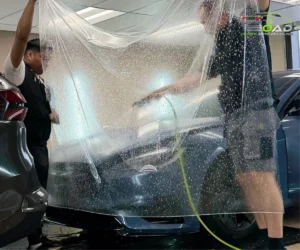
How Can You Prevent Scratches on Paint Protection Film
Proper maintenance plays an important role in keeping PPF clear and preserving its protective properties. Drivers exploring paint protection film in Chesterfield, VA can benefit from understanding how safe washing and routine care help maintain their investment.
Use Safe Washing Techniques
Wash your vehicle using clean microfiber wash mitts, appropriate automotive shampoo, and plenty of water. Avoid abrasive brushes or dirty towels that may drag particles across the film.
Remove Contaminants Carefully
Road grime, bird droppings, and other contaminants should be removed promptly using products compatible with your specific film. Do not aggressively scrub stubborn deposits.
Avoid Unnecessary Surface Contact
Repeated contact from bags, keys, clothing accessories, and other objects can create visible wear. Pay particular attention to door handles, loading areas, and other frequently touched surfaces.
Follow Manufacturer Maintenance Guidelines
Different PPF products have different cleaning and care requirements. Use the recommendations from your installer or film manufacturer instead of assuming every product can be maintained the same way.
Schedule Professional Inspections When Necessary
If your film develops persistent scratches, lifting edges, discoloration, or other visible defects, an experienced installer can assess its condition.
Regular inspections can help identify damage early and determine whether the film needs additional care or replacement.
When Should Scratched Paint Protection Film Be Replaced
Not every scratch requires a new PPF installation.
Minor surface defects may recover naturally, while isolated damage may require replacing only the affected film section. For drivers comparing paint protection film in Chesterfield, professional evaluation can help determine whether replacement is necessary.
Professional replacement may be appropriate when:
- The film has deep cuts or tears.
- Scratches have penetrated the protective layers.
- The surface has permanent cloudiness or distortion.
- The film is peeling or losing adhesion.
- Damage compromises the appearance or protective function.
If the original paint remains undamaged, replacing the affected film may restore protection without requiring repainting.
The important question is whether the damage affects only the film’s appearance or has compromised its ability to protect the paint.
Why Is Professional PPF Installation Important?
Proper paint protection begins with professional preparation, product selection, and installation.
An experienced installer evaluates the paint’s condition, prepares the surfaces, and applies the film to match the vehicle’s contours. Proper installation reduces the risk of trapped contamination, poor adhesion, and unnecessary imperfections.
Owen’s Auto Detailing LLC provides installation for vehicle owners who want to maintain their vehicle’s appearance and protect its original finish. For those considering Chesterfield, VA paint protection film, professional guidance can help clarify available protection options and appropriate maintenance practices.
An installer can also explain what self-healing film can realistically accomplish and when visible damage requires additional attention.
People Also Ask
Can Self-Healing PPF Remove Deep Scratches?
No. Self-healing PPF repairs minor scratches and swirl marks, but deep cuts and punctures may require professional assessment or film replacement.
How Long Does It Take for PPF Scratches to Disappear?
It depends on the film, scratch depth, and temperature. Minor scratches may fade quickly, while more serious damage may remain permanent.
Does Sunlight Help Paint Protection Film Heal Scratches?
Yes. Sunlight’s warmth can help some self-healing PPF products recover from minor scratches. Results depend on the film and damage severity.
Can PPF Prevent All Scratches?
No. PPF helps protect paint from road debris and minor abrasions, but deep cuts and heavy impacts can still damage the film.
Should I Replace PPF If Scratches Remain Visible?
Not always. A professional installer can assess the damage and determine whether the film needs replacement or can remain in place.
Protect Your Vehicle With the Right Paint Protection Film
Self-healing paint protection film provides valuable defense against everyday scratches, road debris, and minor surface wear. However, its ability to recover depends on the type of damage, film quality, and maintenance conditions.
Understanding these limitations helps you avoid unnecessary repairs while preserving your vehicle’s appearance. Owen’s Auto Detailing LLC offers paint protection film installation to help protect your vehicle’s finish.
Whether you’re maintaining an existing installation or considering additional protection, professional guidance can help you choose the right solution.
Contact us today to discuss your vehicle’s paint protection needs and request a personalized quote.