
Car paint can lose its shine because of UV exposure, changing weather conditions, improper washing, and neglected maintenance. These factors can cause fading, oxidation, water spots, and surface scratches. You can often improve dull paint by washing with pH-balanced products, removing embedded contaminants, polishing suitable imperfections, and applying protective products. For more severe paint damage, professional detailing may help restore gloss and improve the finish.
Key Takeaways
- UV exposure, harsh weather, improper washing, and environmental contaminants can contribute to dull car paint.
- Intense sunlight and winter road salt can accelerate paint deterioration if the vehicle is not properly maintained.
- Regular washing with automotive-safe products and gentle techniques helps preserve the paint’s appearance.
- Clay bar treatment, polishing, waxing, and sealants can help improve the finish and protect the surface.
- Professional paint correction and ceramic coating may help address more challenging paint concerns.
Understanding Car Paint Deterioration
While you might believe that your car’s paint is simply for aesthetic purposes, it actually plays an essential role in protecting the underlying metal structure from corrosion. A primary cause of car paint fading cause is relentless exposure to the elements. Sunlight, particularly UV rays, gradually breaks down the paint’s chemical structure, leading to discoloration and dullness.
It’s not just the sunny weather that’s responsible; even cloudy skies can have a detrimental impact.
Apart from the effects of weather on car paint, certain human-induced factors also contribute to paint deterioration. Improper washing techniques using harsh materials can strip off the protective layers of paint, leaving it vulnerable to the elements.
Neglecting regular waxing and sealing exposes the paint to more damage, accelerating the fading process.
In addition, environmental pollutants, bird droppings, chemical spills, and even the type of water used for washing your car can gradually erode the paint.
Over time, these factors cause the vibrant paint to lose its luster, making your vehicle appear older and less appealing. Understanding these causes is the first step towards effective restoration and maintenance of your car’s paintwork, and investing in ceramic coating services can provide long-term protection and enhanced shine.
Impact of Harsh Weather Conditions
To protect car paint in Richmond, VA, where the climate changes with the seasons, you need a multi-pronged approach.
Intense sunlight can contribute to oxidation and fading, while rain, humidity, and airborne contaminants may leave deposits on the surface. During colder weather, road salt and other de-icing materials can accumulate on your vehicle and contribute to corrosion if they are not removed.
Regular washing helps remove dirt, salt, and other contaminants before they build up. Applying a suitable wax or sealant adds a protective layer that can help reduce contamination and maintain gloss. Parking in a garage or shaded area when possible can also reduce direct exposure to sunlight and severe weather.
A car cover may provide additional protection when used correctly, but it should be kept clean and used on a clean vehicle to avoid trapping abrasive particles against the paint.
Consequences of Poor Maintenance
Ignoring regular maintenance can lead to disastrous consequences for your car’s exterior. Without proper care, your car’s paint can quickly lose its shine and vibrancy. Even worse, neglect can lead to lasting damage that’s both costly and time-consuming to repair.
The deterioration process begins subtly. You might notice tiny scratches or swirl marks that dull the surface. These are often caused by improper washing techniques, such as using harsh detergents or abrasive sponges. Over time, these minor abrasions accumulate, causing the paint to lose its luster.
Without regular waxing and sealing, your car’s paint is left vulnerable to the elements. UV rays, acid rain, and pollutants can cause the paint to oxidize, resulting in a dull, cloudy appearance. Additionally, hard water deposits and bird droppings can etch into the paint, causing permanent damage if not promptly removed.
Furthermore, road debris, chemical spills, and even the natural aging process can greatly degrade your car’s paint. Not taking the time for regular maintenance can expedite this process, leaving your car looking tired and worn.
To summarize, maintaining your car’s exterior is essential to prevent dull paint and preserve its overall appearance.
Role of Frequent Car Washes
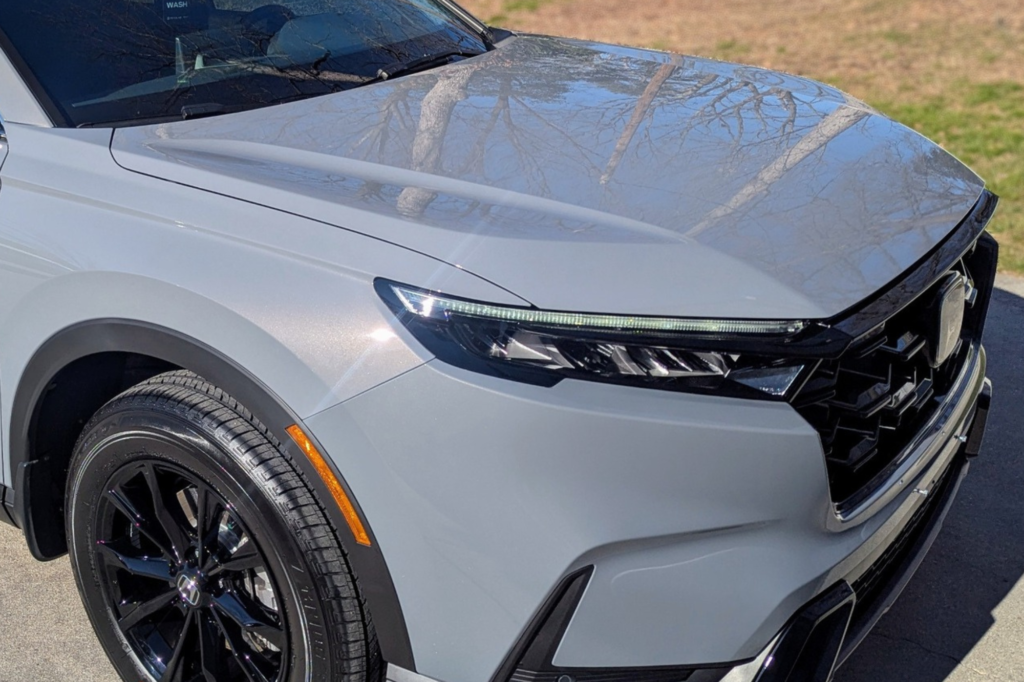
Despite common misconceptions, frequent car washing plays a pivotal role in maintaining the vibrancy of your vehicle’s paint. Dirt, dust, and tiny particles that accumulate on your car’s surface can act like sandpaper, slowly wearing down the protective clear coat and exposing your paint to the elements. This effect, over time, dulls your car’s finish.
However, you can’t just grab any soap and start scrubbing. Household cleaners contain harsh chemicals that strip away the wax and degrade the paint. Instead, use a pH-balanced car shampoo specifically designed to clean automotive paint safely. These products are gentle, lift dirt effectively, and preserve your vehicle’s protective layers.
Additionally, your washing technique matters. Avoid using rough materials like old rags or scrub brushes, which can scratch the paint’s surface. Opt for a soft, microfiber mitt for washing and a clean, microfiber towel for drying.
A two-bucket method, one for soapy water and one for rinsing your mitt can also minimize the risk of scratching.
Effective Car Paint Revitalization Tips
Restoring dull car paint starts with identifying the cause of the loss of gloss. Dirt and mineral deposits require different treatment from oxidation, scratches, or clear coat failure.
1. Wash the Vehicle Thoroughly
Start with a careful wash using pH-balanced car shampoo and clean microfiber materials. This removes loose dirt and surface grime before further treatment.
2. Remove Embedded Contaminants
If the paint still feels rough after washing, a suitable clay bar treatment may help remove bonded surface contaminants. Use the correct lubricant and follow the product instructions to reduce the risk of marring.
3. Polish Suitable Imperfections
Polishing can reduce the appearance of light scratches, swirl marks, and certain forms of oxidation. Choose an appropriate polish and pad for the condition of the paint. Test a small area first, and avoid aggressive polishing when the paint thickness or condition is uncertain.
4. Apply Wax or Sealant
After cleaning and polishing, apply a compatible wax or paint sealant according to the manufacturer’s instructions. Regular application every 3-6 months helps maintain protection, although the appropriate interval depends on the product and the vehicle’s exposure to the elements.
5. Consider Ceramic Coating
A ceramic coating can add a durable, water-repellent layer over properly prepared paint. It may improve gloss, make cleaning easier, and help reduce the adhesion of some contaminants. It does not make paint scratch-proof or eliminate the need for regular maintenance.
For severe oxidation, extensive scratches, or uneven gloss, consult a professional before attempting aggressive correction. Professional restoration can deliver high-quality results when the method is appropriate for the vehicle’s paint condition.
DIY vs. Professional Paint Restoration
While you can certainly employ these revitalization techniques at home, there’s often a debate surrounding DIY versus professional paint restoration.
For the DIY approach, you’ll need to invest in quality products like car shampoo, clay bars, polishers, wax, and sealants. You’ll also need time, patience, and a good understanding of the restoration process.
DIY allows you to save on labor costs, learn new skills, and work at your own pace. However, it’s crucial to recognize that improper techniques can cause more harm than good, leading to swirl marks, scratches, or uneven finishes.
On the other hand, professional restoration guarantees high-quality results due to trained expertise and access to advanced equipment.
Professionals can handle complex tasks, such as paint correction, buffing, and ceramic coating application, more efficiently. Hiring a ceramic coating installer ensures a flawless, long-lasting finish that provides superior protection for your vehicle’s paint. The downside is the potential cost, which can be considerably higher than DIY, especially for premium services. However, the investment in professional care can extend the life of your car’s paint and maintain its showroom shine.
In Summary
So, you’ve seen how UV rays, harsh weather, improper washing, and neglect can dull your car’s paint. But you’re not helpless. Regular maintenance, correct washing techniques, and protective treatments can keep your paint job vibrant. Whether you choose to do it yourself or hire a professional like Owen’s Auto Detailing LLC, effective restoration is within reach. Don’t let your car lose its luster. With the right care, you can maintain your car’s shine and value for years to come.